Before the Alarm | Why Every Business Needs Its Own Fire Drill
Before the Alarm
The alarm blared through the office.
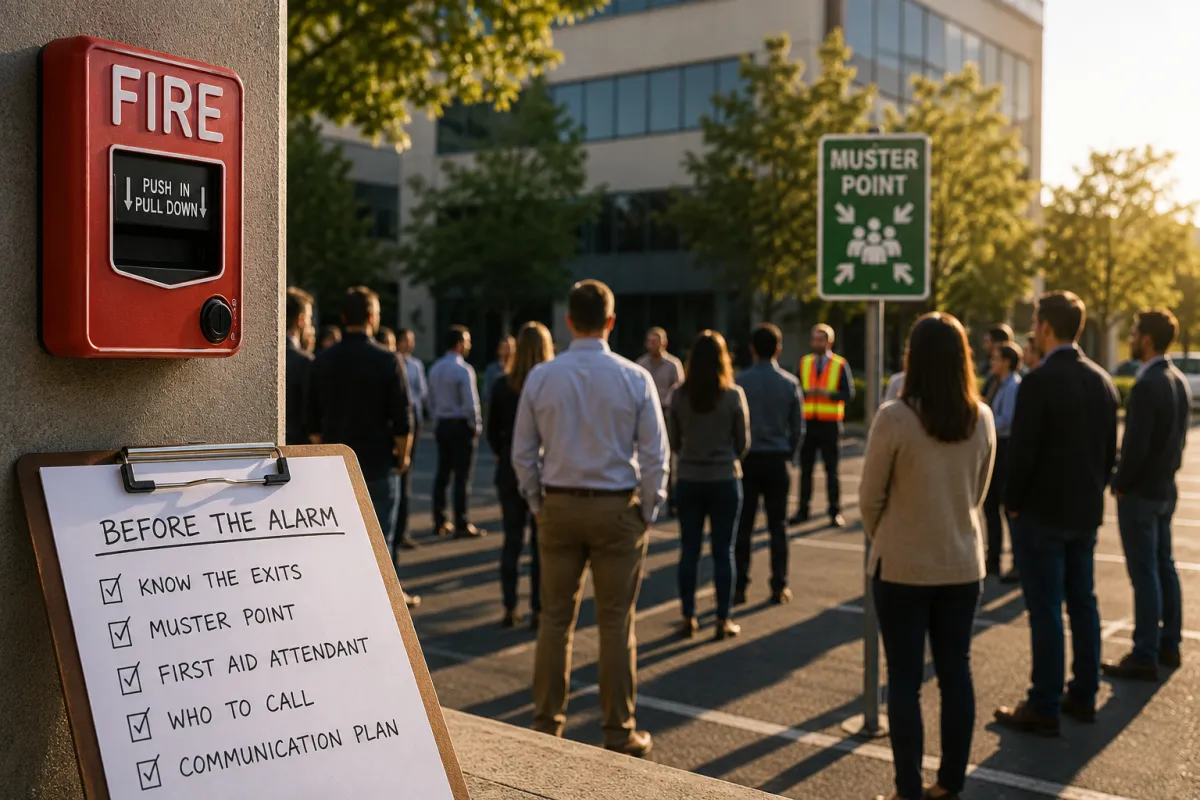
Keyboards fell silent. Conversations stopped mid-sentence. Chairs rolled back as people stood up, almost on autopilot. We shuffled outside together, blinking in the bright daylight, and gathered at the usual muster point.
Another fire drill.
Most days, it feels like an annoying interruption. We already know where the exits are. We already know the routine.
But that’s exactly why it works.
We don’t practice so we can figure things out when smoke fills the hallways. We practice so we don’t have to.
That same morning, another cybersecurity headline had crossed my desk.
A business under attack. Systems down. Customers panicked. Teams scrambling through the night to recover. The story, like so many others, focused entirely on the chaos after the breach.
It made me pause.
What if we approached our businesses the same way we approach fire drills? Not because we expect disaster — but because we care enough to prepare while everything is still running smoothly.
Your Business Needs a Muster Point Too
Every organization should have clear answers ready before the alarm ever sounds:
Who is the first person everyone calls when something feels suspicious?
Where does the team regroup if core systems go offline?
Does every employee know exactly what to do after clicking a suspicious link?
Can your business still serve customers if the internet drops for hours?
These aren’t just technology decisions. They’re leadership decisions. Awareness decisions. The tools and systems only matter if the people know the plan.
The Real Advantage of Preparation
The businesses I respect most aren’t the ones that magically avoid every crisis.
They’re the ones that quietly built resilience long before they needed it.
Not out of fear.
Out of care.
Care for their team’s peace of mind.
Care for their customers’ trust.
Care for the business they’ve worked so hard to build.
Small Steps That Make a Big Difference
Start simple. Here are a few practical actions you can take this quarter:
Run one short “cyber fire drill” with your team
Create a one-page incident checklist that’s easy to find
Ensure at least two or three people know how to reach critical vendors and restore key systems
Review your backup and communication plan — even if nothing has gone wrong
Awareness gives you time. Time gives you choices.
Technology helps.
But awareness protects.